.png)
Mental Health within the Context: The Influence of Gender
- Shweta Sunil

- May 12, 2021
- 3 min read
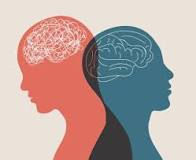
The conversation about mental health is often generalised across populations. It is extremely important to translate the statistics and prevalence of mental health concerns to population and demographic-specific circumstances. So how can this conversation be shifted to accommodate the context that one’s gender and related constructs provides them with?
Gender has been found to be a significant factor that influences the manifestation and prevalence and mental health concerns across people. A higher prevalence of concerns like depression, eating disorders and suicidal ideation is seen more often in girls, while concerns like anger management issues, aggressive and antisocial behaviours (WHO, 2002). During adulthood, women are more likely to develop concerns like depression and anxiety, while men might develop substance use and antisocial behaviours. Women have shown a higher level of internalising disorders, whereas men show a higher average of externalising disorders (Malhotra & Shah, 2015). Substance abuse has been found to be a product of traumatic experiences, stress and abuse among women. The differences across genders in mental health concerns have been found with respect to the course of concerns, age of onset, adjustment, and the outcomes and features of the concerns (Malhotra & Shah, 2015).
One’s reproductive health and associated factors can influence their mental health and mood. Some constant concerns like irritability and sadness can occur through the premenstrual and menstrual period. Through pregnancy, an individual might experience concerns through the perinatal period. Prevalence rates have indicated that women in India go through the experience of depression both during late pregnancy and after delivery as much as women in developed countries. Various factors like income, birth and sex of the child, difficult relationships with in-laws and stressful life events have been found to influence an Indian woman’s mental health (Malhotra & Shah, 2015). Familial factors like family dynamics, perceived and real autonomy of women within the family, and gender-based violence can also influence a woman’s mental health through the experience of pregnancy.
As eloquently put by Malhotra & Shah (2015) gender often regulates the control an individual has over their environmental and social faculties. This power and control can influence one’s psychosocial environment. The social vulnerabilities and treatment a woman experiences can make them inherently predisposed towards mental health concerns. There exists an inverse correlation between societal position and mental health, leading to a multitude of mental health concerns among women. Women are also often subjected to experiences like domestic violence and abuse (United Nations, 2015).Gender based violence can lead to increased emotional distress, depression, anxiety and symptoms of post-traumatic stress. This coupled with the patriarchal familial dynamic and practices like dowry and discrimination can lead to more difficult psychosocial climates. Apart from this, various concerns and symptoms for common mental health concerns are gender biased and skewed, with the lack of a clear understanding of its different manifestations across demographics.
Hence, starting from childhood to adulthood, there are inherent gender based differences in an individual’s mental health. As children, women and men are predisposed to developing and manifesting different kinds of concerns and symptoms. These symptoms manifest differently according to gender, with females developing concerns like eating disorders and depression more frequently through adolescence. The menstrual period and adulthood is often characterised by certain emotional and behavioural symptoms unique to females that are further altered through the perinatal period. Women also experience unique mental health concerns because of the psychosocial and sociocultural system they are exposed to. This reinstates the importance of dissecting and understanding mental health from the perspective of gender, and how the same can provide an isolated, unique biopsychosocial climate to an individual to experience and grow within. This unique environment subjects the individual to a specific set of mental health advantages and disadvantages that need to be understood within their context. This can help guide mental health diagnoses, treatment and intervention while carefully accounting for their individuality and subjective experience.
References
Malhotra, S., & Shah, R. (2015). Women and mental health in India: An overview. Indian journal of psychiatry, 57(Suppl 2), S205–S211. https://doi.org/10.4103/0019-5545.161479
WHO. (2002, June). Gender and Mental Health. https://www.who.int/gender/other_health/genderMH.pdf.

Comments